Roofs Built to Handle Northern Colorado Weather
Roof Installation in Milliken for new homes, additions, and properties requiring complete roofing systems
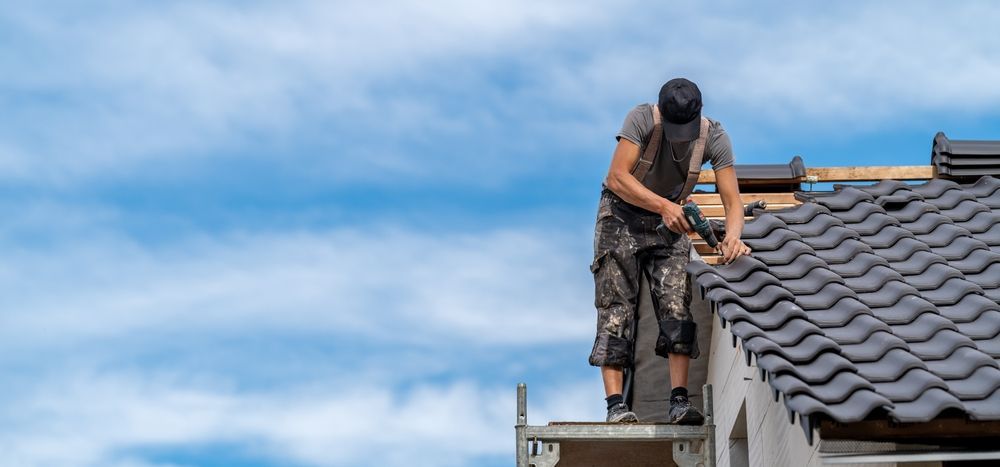
Boersma Roofing Inc handles roof installation for new construction, major additions, and buildings requiring complete roofing systems across Milliken and Northern Colorado. Installing a roof correctly from the start determines how well the structure handles hail, snow loads, freeze-thaw cycles, and moisture intrusion over the following decades. Proper ventilation, underlayment placement, and flashing integration during installation prevent common failure points that show up years later as leaks or structural decay.
Installation involves coordinating ventilation pathways, securing underlayment across the deck, integrating flashing around penetrations and valleys, and positioning drainage systems to move water away from vulnerable areas. Material selection for this region often balances impact resistance for hail exposure with wind uplift ratings and snow load capacity. The roof deck condition and structural support determine whether additional reinforcement is needed before new roofing materials are applied.
Schedule a roofing consultation to review material options and structural requirements for your project.
What Proper Installation Requires
A complete roof installation begins with deck inspection and preparation, followed by underlayment application that creates a secondary moisture barrier beneath the finish roofing material. Ventilation pathways are positioned to allow air circulation through attic spaces, reducing heat buildup in summer and moisture accumulation during winter. Flashing is custom-fitted around chimneys, vents, skylights, and roof-to-wall transitions to seal areas where different materials meet.
Once installation is finished, you'll notice improved energy efficiency as ventilation systems reduce attic temperature extremes, and underlayment layers provide additional insulation value. Properly installed flashing eliminates common leak points that develop around penetrations, and drainage systems move snowmelt and rain away from eaves and fascia boards. Curb appeal improves with uniform shingle alignment and clean valley lines, and property value increases with documented installation of durable roofing materials rated for regional weather conditions.
Installation projects involve organized debris management, job site access planning, and coordination with other trades when roofing is part of larger construction timelines. Material delivery scheduling and weather monitoring ensure work proceeds efficiently, and final inspections verify that ventilation ratios, flashing details, and fastening patterns meet manufacturer specifications required for warranty coverage.
Questions Before Starting Your Project
Installation decisions affect roofing performance and longevity, and property owners in Milliken often ask about material selection, ventilation requirements, and project coordination before work begins.
What roofing materials work best for Northern Colorado weather conditions?
Asphalt shingles with Class 4 impact ratings resist hail damage common in this region, while metal roofing systems handle snow shedding and wind uplift without requiring frequent maintenance.
How does underlayment selection affect long-term roof performance?
Synthetic underlayment provides superior tear resistance and moisture protection compared to felt paper, especially during installation delays caused by weather, and creates a more reliable secondary barrier beneath finish materials.
What ventilation ratio is required for residential roofing systems?
Building codes typically require one square foot of ventilation for every 150 square feet of attic space, with intake vents at eaves balanced by exhaust vents at the ridge to create continuous airflow.
Why does flashing installation matter around chimneys and skylights?
Flashing creates watertight seals at transitions where vertical surfaces meet sloped roofing, and improper installation at these points causes the majority of leak calls within the first five years after installation.
How long does a complete roof installation take for a typical residential property?
Installation timelines depend on roof complexity, material type, and weather conditions, but most residential projects are completed within several days once materials arrive and weather permits continuous work.
Boersma Roofing Inc coordinates installation projects with attention to structural preparation, material selection, and weather timing that affect long-term performance. Request an estimate to review roofing options and installation requirements specific to your property.
