Roofs Built to Handle Colorado's Rapid Shifts
Residential Roofing in Milliken for homes facing frequent hail strikes and overnight temperature swings
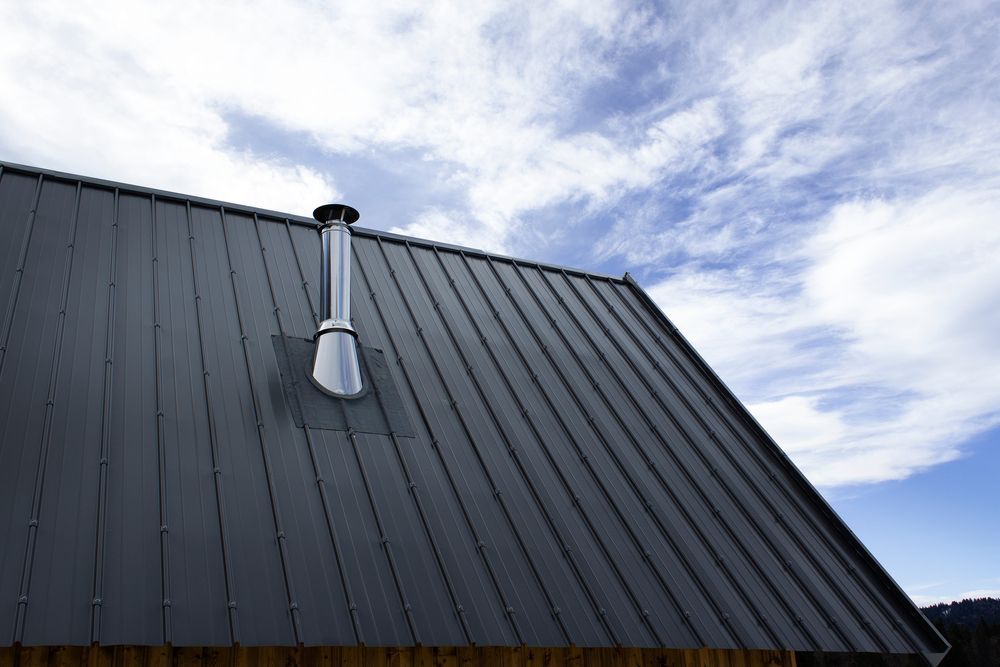
A standing seam panel buckled along the ridge line becomes visible after a single hailstorm, while older asphalt shingles crack when temperatures drop forty degrees in six hours. Boersma Roofing Inc installs residential roofing systems across Milliken and Northern Colorado designed to absorb impacts from hail, shed snow loads without ice damming, and flex through temperature extremes without splitting or warping. Your roof anchors home protection during weather conditions that shift from afternoon sun to evening hail without warning.
Residential roofing in this region addresses the combined stress of UV exposure at high altitude, hail bombardment during spring and summer storm cells, heavy snow accumulation from October through April, and winds that exceed sixty miles per hour during Chinook events. Material selection determines whether shingles remain bonded during thermal cycling or whether fasteners pull through decking after repeated expansion and contraction cycles.
Schedule a property evaluation to identify specific vulnerabilities in your current roofing system and material options suited to your home's exposure.
What Proper Installation Prevents Long-Term
Roofing systems designed for Northern Colorado weather include underlayment rated for ice dam formation, impact-resistant shingles tested to UL 2218 Class 4 standards, and ventilation pathways that prevent condensation buildup when attic temperatures differ from outdoor air by fifty degrees. Asphalt shingles, cedar-style composite systems, and metal roofing solutions each respond differently to hail impacts, snow loads, and thermal stress, so material selection begins with understanding your home's orientation, tree coverage, and historical weather patterns in your specific neighborhood.
After installation completes, you notice water sheds cleanly into gutters during spring runoff instead of pooling along valleys, snow slides off metal panels without forming ice ridges at eaves, and attic temperatures remain stable without frost accumulation on nail tips penetrating through decking. Boersma Roofing Inc uses installation methods that account for expansion and contraction rates specific to each material, ensuring fasteners remain secure through hundreds of freeze-thaw cycles without backing out or tearing through shingle mat.
Roofing projects also involve waste removal protocols that keep your property clean during tearoff, crew coordination that minimizes noise disruption during installation, and final inspections that verify every penetration is sealed and every flashing detail channels water away from vulnerable transitions. Upgraded roofing improves energy efficiency by reducing heat transfer through the roof deck, which directly affects cooling costs during summer months when afternoon temperatures reach ninety-five degrees.
What Homeowners Usually Ask
Homeowners in Milliken often wonder about material performance during the hailstorms that arrive with little advance notice and how roofing systems are installed to handle conditions unique to Northern Colorado.
What roofing material handles hail impacts without requiring immediate replacement?
Impact-resistant asphalt shingles rated Class 4 absorb strikes from hailstones up to two inches in diameter without cracking, while standing seam metal roofing deflects impacts that would shatter traditional materials.
How does snow accumulation affect roof lifespan in this region?
Snow loads exceeding forty pounds per square foot stress roof decking and fasteners, so proper installation includes structural evaluation and ventilation systems that prevent ice dams from forming along eaves when attic heat melts snow unevenly.
Why do some roofs develop leaks after only five years?
Leaks typically originate at flashing transitions around chimneys, skylights, and valley intersections where thermal movement creates gaps, so installation quality at these vulnerable points determines whether your roof remains watertight through decades of expansion and contraction.
When should I schedule roofing replacement instead of continuing with repairs?
Replacement becomes necessary when granule loss exposes asphalt mat across more than thirty percent of shingle surfaces, when fasteners have backed out enough to allow wind-driven rain penetration, or when decking shows soft spots indicating moisture damage beneath the roofing layer.
What preparation happens before installation begins?
Preparation includes ground protection to catch debris during tearoff, coordinated material delivery to avoid blocking access, and attic inspection to verify ventilation pathways and decking condition before new roofing is installed.
Boersma Roofing Inc evaluates your home's exposure to weather patterns common in Northern Colorado and recommends material options based on how your roof responds to seasonal stress. Request a residential roofing consultation to review system options and receive a detailed estimate based on your home's current condition.
