Panels Designed for Decades Without Replacement
Metal Roofing Specialist in Milliken for properties requiring fire resistance and snow shedding performance
Standing seam metal roofing sheds snow loads that would remain on asphalt shingles for weeks, reduces cooling costs by reflecting solar radiation instead of absorbing heat into attic spaces, and remains fire-resistant when wildfires produce airborne embers that ignite traditional roofing materials within seconds. Metal roofing installations by Boersma Roofing Inc include both standing seam and corrugated systems engineered for Colorado weather conditions where temperature swings exceed fifty degrees in twenty-four hours, hailstorms produce impacts that crack lesser materials, and wind events generate uplift forces that tear improperly fastened panels from roof decks. You gain roofing protection that lasts forty to fifty years without the granule loss, cracking, and thermal damage that limits asphalt shingle lifespan to fifteen or twenty years.
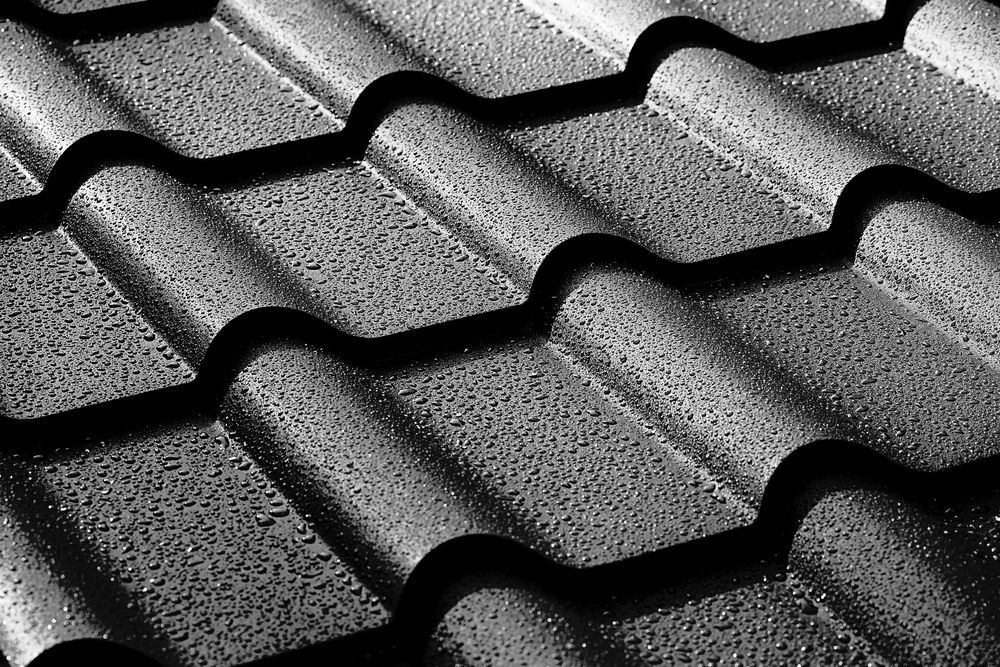
Metal roofing systems use concealed fastener designs that allow thermal expansion and contraction without stressing attachment points, preventing the fastener backing and panel distortion common when screws are driven through exposed metal surfaces. Standing seam profiles include raised ribs that channel water toward eaves while creating structural rigidity that resists wind uplift, and corrugated patterns offer cost-effective durability for agricultural buildings and shops where appearance matters less than long-term weather protection.
Request a metal roofing consultation to review panel profiles and finish options suited to your property's architectural style and exposure conditions.
What Metal Roofing Accomplishes Over Decades
Professional installation methods for metal roofing include underlayment rated for high-temperature exposure since metal surfaces reach temperatures exceeding one hundred sixty degrees during summer afternoons, expansion clips that allow panels to move without buckling, and ridge ventilation systems that prevent condensation from forming on panel undersides when warm attic air contacts cold metal during winter nights. Modern design options include textured finishes that reduce glare, color coatings that maintain appearance for decades without fading, and profiles that complement both contemporary and traditional architectural styles.
After installation, snow slides cleanly off the roof surface within days of storms instead of accumulating in layers that stress structural framing, cooling costs decrease by fifteen to twenty percent because reflective coatings bounce solar energy away from the building, and roof maintenance requirements drop to nearly zero since metal panels do not crack, warp, or lose protective coatings the way asphalt shingles deteriorate under UV exposure. Boersma Roofing Inc installs thermal barriers beneath panels that prevent condensation without trapping heat, and flashing details at valleys and wall transitions that remain watertight through hundreds of expansion cycles as panels lengthen and contract with temperature changes.
Metal roofing also offers low maintenance requirements because panels resist moss growth, remain unaffected by woodpecker damage that plagues wood shakes, and withstand hail impacts that would shatter clay tiles or crack asphalt shingles. Energy savings accumulate over decades as reduced cooling loads lower electricity consumption, and longevity eliminates the repeated replacement costs associated with shorter-lived roofing materials that require installation every fifteen to twenty years.
What Property Owners Usually Ask
Homeowners and business owners considering metal roofing want to understand performance characteristics, installation requirements, and how these systems compare to traditional materials over long timeframes.
What makes metal roofing more durable than asphalt shingles?
Metal panels resist UV degradation that breaks down asphalt binders, remain unaffected by thermal cycling that cracks shingle surfaces, and withstand hail impacts up to two inches in diameter without denting when heavier gauge materials are specified.
How does standing seam installation prevent leaks at fasteners?
Standing seam systems use concealed clips that attach to roof decking while panels snap onto clip edges, keeping all fastener penetrations hidden beneath raised seams where water never contacts screw holes.
Why do metal roofs reduce energy costs compared to other materials?
Reflective coatings on metal panels bounce seventy to eighty percent of solar radiation back into the atmosphere instead of absorbing heat into the roof deck, which reduces attic temperatures by twenty to thirty degrees during summer and lowers air conditioning loads significantly.
When does corrugated metal make sense instead of standing seam profiles?
Corrugated panels offer lower material costs and faster installation for shops, barns, and outbuildings where exposed fasteners are acceptable and the raised rib pattern provides adequate strength without the interlocking seam complexity required for occupied structures.
What maintenance does metal roofing require over its lifespan?
Maintenance is limited to occasional debris removal from valleys, inspection of sealant at flashing transitions every ten years, and verification that fasteners on trim pieces remain tight after high-wind events that create uplift pressure on roof edges.
Boersma Roofing Inc evaluates your property's sun exposure, roof pitch, and architectural style to recommend metal roofing systems that deliver optimal performance and appearance for your specific situation. Contact us to schedule a consultation and receive detailed estimates comparing metal options to traditional roofing materials based on long-term cost and durability.
