
Immediate Response When Storms Strike Overnight
Emergency Roof Tarping & Repair in Milliken for properties damaged by fallen trees and severe hail impacts
Northern Colorado storm cells develop rapidly during spring and summer afternoons, producing hail larger than golf balls, winds exceeding seventy miles per hour, and lightning strikes that ignite fires on roofing materials within minutes. Emergency roof tarping from Boersma Roofing Inc provides immediate protection after storm damage creates openings that allow rain to enter attic spaces, soak insulation, and drip through ceilings into living areas where furniture and electronics sit exposed. Temporary stabilization prevents additional water intrusion and mold growth while permanent repair plans are developed and insurance claims are processed.
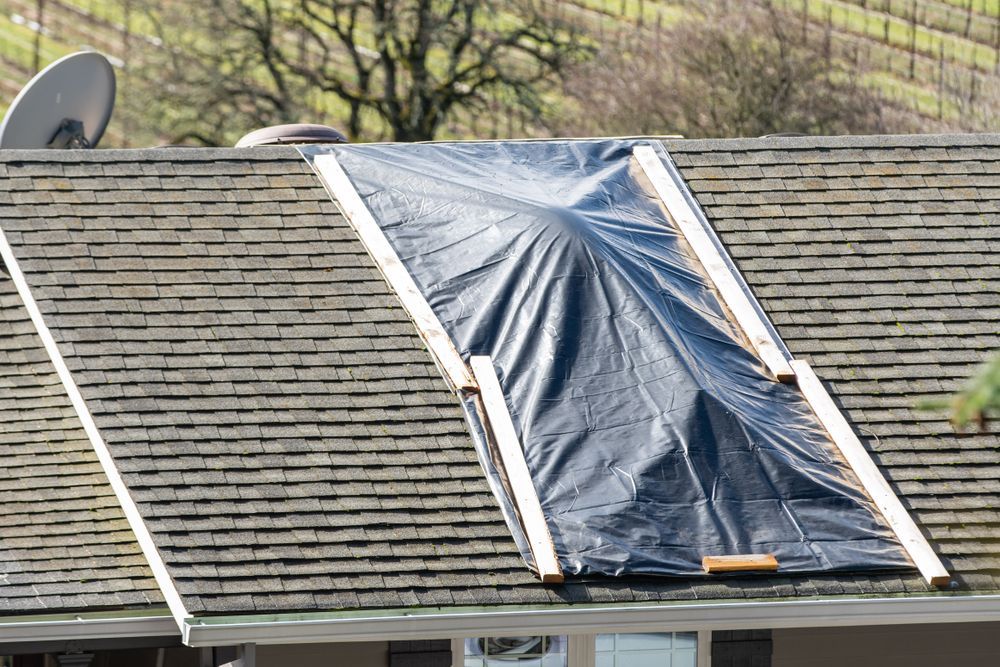
Emergency tarping involves heavy-duty reinforced polyethylene secured with lumber battens screwed through undamaged roof sections, creating watertight barriers over openings caused by fallen branches, hail penetration, or wind-torn shingles. Temporary coverage remains secure through subsequent weather events, preventing rain from saturating structural framing and creating conditions where mold colonizes within forty-eight hours of moisture exposure.
Call immediately after discovering roofing damage to arrange emergency tarping and prevent further property loss while permanent repairs are scheduled.
How Emergency Tarping Addresses Immediate Risks
Fast inspections after storm events identify the extent of structural damage, locate compromised roof sections where water is actively entering, and determine whether temporary stabilization requires interior support if decking or framing has been weakened. Clear communication during high-stress situations includes documentation of damage for insurance purposes, realistic timelines for permanent repair once materials are available, and coordination with adjusters who need access to damaged areas before tarping conceals evidence.
After tarping is installed, rain no longer penetrates into attic spaces where insulation would absorb moisture and lose thermal performance, interior ceilings stop dripping water into living areas, and humidity levels inside the home stabilize instead of climbing toward ranges where mold spores activate and spread across drywall and wood surfaces. Emergency services also include debris removal when fallen trees or branches remain on the roof creating puncture risks, and immediate action coordination when multiple properties in a neighborhood suffer simultaneous damage from the same storm cell.
Experience handling storm-related emergencies caused by hail, wind, snow, and heavy rainfall means understanding which damage requires immediate tarping versus which situations can wait for scheduled repairs, and how to secure temporary coverage that remains effective through weeks of additional weather exposure while permanent materials are ordered and installation is coordinated. Twenty-four hour availability ensures response happens within hours of your call, not days later after additional rain has soaked framing and created expensive secondary damage.
Answers to Frequent Service Questions
Homeowners and business owners facing sudden roofing damage need immediate information about emergency response and what happens between temporary tarping and permanent repairs.
What happens during an emergency roof inspection?
Inspection includes safe roof access to evaluate structural stability, identification of all penetration points where water is entering, photography documenting damage extent for insurance claims, and measurement of affected areas to determine tarping material requirements.
How long does emergency tarping remain effective?
Properly installed tarps secured with battens and fasteners remain watertight for six to eight weeks, providing protection through multiple rain events while permanent repair materials are sourced and installation is scheduled.
Why is immediate tarping necessary instead of waiting for permanent repairs?
Delays between initial damage and tarping allow rain to saturate insulation and framing, creating conditions where mold begins growing within forty-eight hours and structural wood loses strength as moisture content rises above safe levels.
When should I call for emergency roofing services?
Call immediately after discovering active leaks, visible roof damage, or interior water intrusion following storms, fallen trees, or sudden structural failures, because each hour of delay increases the extent of secondary water damage to interior finishes and belongings.
What documentation is provided for insurance claims?
Documentation includes timestamped photographs showing damage from multiple angles, written descriptions of failure mechanisms, measurements of affected roof sections, and detailed notes on immediate tarping actions taken to prevent additional loss.
Boersma Roofing Inc maintains 24/7 emergency availability across Northern Colorado and responds rapidly during storm events when multiple properties experience simultaneous damage. Contact us the moment you discover roofing damage to arrange immediate tarping and schedule follow-up inspections that determine permanent repair requirements.