Systems Built for Business Continuity Demands
Commercial Roofing in Milliken for buildings requiring organized scheduling and minimal operational disruption
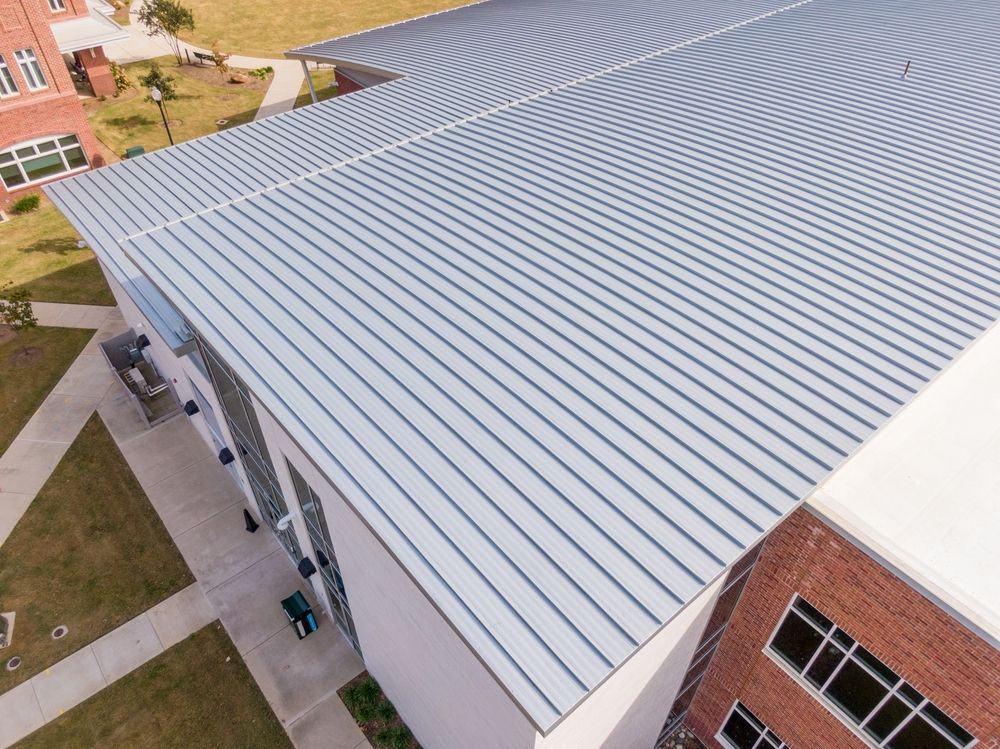
Flat roofing systems on warehouses and retail buildings fail when ponding water sits longer than forty-eight hours, allowing UV degradation to accelerate membrane breakdown and seam adhesion to weaken. Commercial roofing from Boersma Roofing Inc addresses drainage performance, membrane durability, and energy efficiency for offices, warehouses, and retail properties across Milliken where business operations cannot pause for extended construction timelines. Your building requires roofing solutions installed in phases that maintain interior protection while work progresses across sections of the roof deck.
Commercial roofing projects involve TPO, PVC, and EPDM membrane systems selected based on building use, foot traffic patterns, HVAC equipment placement, and long-term maintenance expectations. Proper installation includes tapered insulation systems that eliminate low spots where water collects, reinforced seams at membrane transitions, and attachment methods rated for wind uplift forces common during Colorado wind events.
Request a commercial roofing evaluation to assess current system performance and discuss scheduling options that align with your business calendar.
Why Preventative Maintenance Reduces Replacement Costs
Commercial-grade materials such as TPO and PVC membranes are installed with heat-welded seams that create watertight bonds stronger than the membrane itself, while EPDM systems rely on adhesive or mechanical fastening that requires periodic inspection to verify bond integrity. Tapered insulation panels installed beneath the membrane create positive drainage toward scuppers and drains, preventing ponding water that accelerates material aging and increases the likelihood of leak development at seams and penetrations.
After installation, you notice water drains completely within hours of rainfall instead of forming puddles that remain visible for days, interior temperatures stabilize as reflective membrane surfaces reduce heat absorption, and HVAC systems cycle less frequently because roof insulation prevents thermal transfer. Preventative maintenance programs involve bi-annual inspections that identify small issues before membrane damage expands, seam repairs that restore watertight integrity without full replacement, and drain cleaning that maintains positive water flow off the roof surface.
Large-scale roofing projects are organized into phases that protect inventory and equipment while sections of the roof remain open, with safety protocols that prevent debris from entering occupied spaces and communication schedules that keep property managers informed of daily progress. Energy-efficient roofing systems reduce cooling costs by reflecting solar radiation rather than absorbing heat into the building envelope, which matters significantly for warehouses and retail spaces with high ceilings and large footprints.
Answers Property Managers Need Before Projects Begin
Property managers and business owners in Milliken need clarity on scheduling, material performance, and how roofing work proceeds without halting daily operations.
What roofing material works best for flat commercial buildings?
TPO membranes offer heat-reflective properties and welded seams that remain watertight through thermal cycling, while PVC provides chemical resistance important for buildings near industrial areas, and EPDM delivers cost-effective durability for structures with minimal roof traffic.
How does project scheduling minimize disruption to business activity?
Work is phased across roof sections so interior spaces remain protected, noisy tearoff activities are scheduled during off-hours when possible, and material deliveries are coordinated to avoid blocking customer access or loading zones.
Why do flat roofs require more frequent maintenance than sloped systems?
Flat roofs experience standing water that accelerates membrane aging, collect debris that clogs drains and creates moisture retention, and endure foot traffic from HVAC technicians that can damage membrane surfaces if walkways are not installed.
When should membrane repairs be completed instead of waiting for full replacement?
Repairs should happen immediately when small punctures or seam separations are identified during inspections, because water intrusion through minor damage spreads laterally beneath the membrane and saturates insulation, turning a simple patch into a costly section replacement.
What safety protocols are required for commercial roofing projects in Northern Colorado?
Safety measures include fall protection systems for crew members, perimeter barriers that prevent tools or materials from falling to ground level, and wind monitoring that halts work when gusts exceed safe limits for handling large membrane sheets.
Boersma Roofing Inc coordinates project timelines around your business schedule and provides detailed maintenance plans that extend roof lifespan by addressing problems while they remain small and inexpensive to fix. Call to schedule a commercial property assessment and receive system recommendations tailored to your building's operational requirements.
