Drainage Solutions That Actually Prevent Ponding
Flat Roofing Services in Milliken for buildings experiencing seam separation and membrane damage from standing water
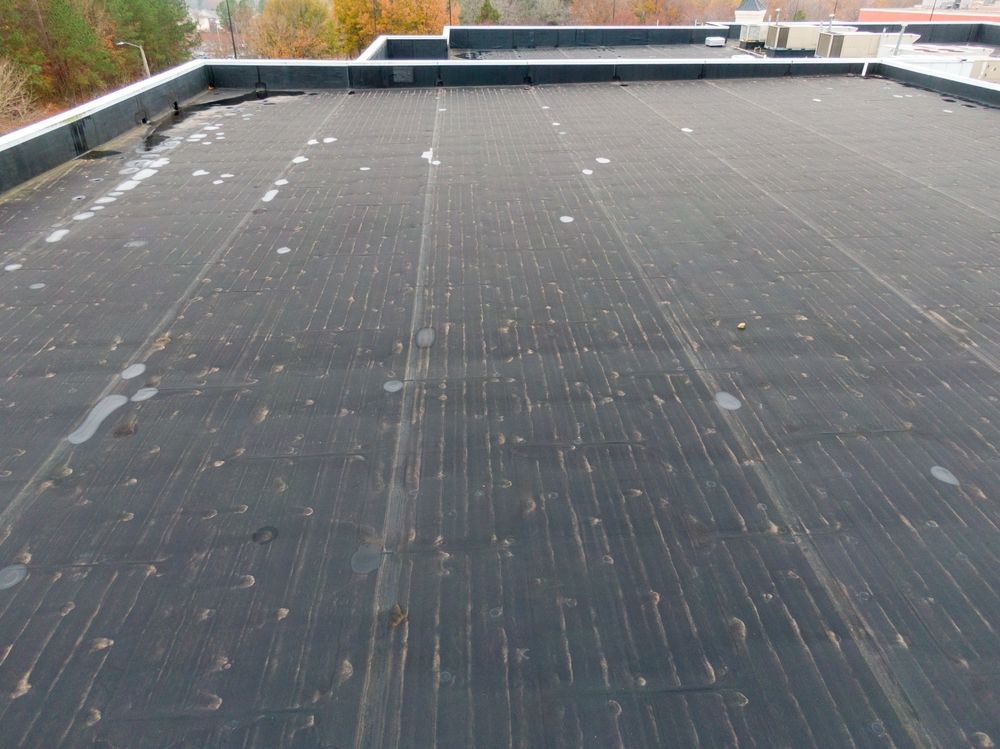
Ponding water visible on a flat roof forty-eight hours after rainfall indicates drainage failure that accelerates membrane breakdown, promotes algae growth that degrades material surfaces, and creates weight loads that stress structural decking. Flat roofing services address these drainage failures through tapered insulation systems, reinforced seam repairs, and material replacement strategies that restore positive water flow toward drains and scuppers. Boersma Roofing Inc handles flat and low-slope roofing systems across Milliken for commercial buildings and modern residential properties where membrane performance directly affects interior protection and long-term repair costs.
Flat roofing systems experience unique stress because water does not shed by gravity alone, so proper installation requires precise slope calculation, strategic drain placement, and membrane attachment methods that resist wind uplift without creating raised fastener heads that puncture material layers. TPO, EPDM, and modified bitumen systems each respond differently to thermal cycling, UV exposure, and foot traffic, so material selection depends on building use, equipment placement, and whether the roof surface will experience regular maintenance activity.
Arrange a flat roof inspection to identify drainage issues and receive material recommendations based on your building's current condition.
What Changes After Drainage Systems Are Corrected
Tapered insulation panels installed beneath roofing membranes create slopes between one-eighth and one-quarter inch per foot, which channels water toward collection points without requiring structural roof deck modification. Heat-welded seams on TPO and PVC membranes form continuous watertight bonds that remain flexible through temperature swings, while EPDM seams rely on adhesive or tape systems that require inspection every three to five years to verify bond integrity remains intact.
After drainage corrections are completed, water clears from the roof surface within hours instead of forming ponds that remain for days, membrane surfaces dry completely between rain events so UV degradation slows significantly, and interior ceilings no longer show staining or moisture damage from leaks that originated at low spots where water pooled. Preventative inspections identify membrane damage while it remains limited to small areas, seam repairs restore watertight performance before water spreads laterally beneath material layers, and drain cleaning removes debris that blocks water flow and causes backup during heavy rainfall.
Flat roofing services also include flashing installation at parapet walls and equipment penetrations, walkway pads that protect membranes from foot traffic damage, and edge termination details that secure membrane edges against wind uplift common during Colorado's high-wind events. Modified bitumen systems offer self-healing properties around fastener penetrations, which reduces leak risk in buildings with frequent roof access for HVAC maintenance.
Common Questions About This Service
Property owners in Milliken often need clarity on maintenance requirements and why flat roofing systems develop problems that sloped roofs typically avoid.
What causes ponding water on flat roofs?
Ponding results from inadequate slope to drainage points, sagging roof decking that creates low spots over time, or clogged drains and scuppers that prevent water from exiting the roof surface during rainfall.
How often should flat roofs be inspected?
Inspections should occur twice annually—once before winter to verify drainage systems are clear and seams remain intact, and once after spring storms to identify any damage from hail, wind, or debris accumulation.
Why do flat roof seams fail before the rest of the membrane?
Seams experience differential thermal movement as adjacent membrane sheets expand and contract at slightly different rates, creating stress that weakens adhesive bonds or stretches heat-welded connections until small gaps allow water penetration.
When does membrane replacement become necessary instead of continuing repairs?
Replacement is required when more than thirty percent of the membrane surface shows cracking or blistering, when seam failures appear across multiple roof sections, or when insulation beneath the membrane has become saturated and lost its thermal resistance properties.
What flat roofing material lasts longest in Northern Colorado?
TPO membranes with reinforced fleece backing offer twenty to thirty year lifespans when properly maintained, resisting UV damage from high-altitude sun exposure and remaining flexible through temperature swings that range from below zero to above ninety degrees.
Boersma Roofing Inc provides preventative maintenance plans designed to catch small issues before they require costly membrane replacement and drainage solutions that eliminate ponding water damage. Schedule a flat roofing consultation to discuss system options and establish an inspection schedule that protects your building investment.
